
Blog list


Lakeview Optometry Blog
Learn more about optometry care in our blog!

Fall in Monticello brings cooler mornings, changing winds, harvest activity, and more time indoors as temperatures drop. For some people, it also brings burning, gritty, watery, or irritated eyes. Dust and outdoor allergens can irritate the eye surface, while cooler, drier air can make tears evaporate more quickly.

A comprehensive eye exam should evaluate more than how clearly you can read an eye chart. Examining the retina at the back of the eye can reveal important information about your eye health, including changes that may develop before you notice obvious symptoms.
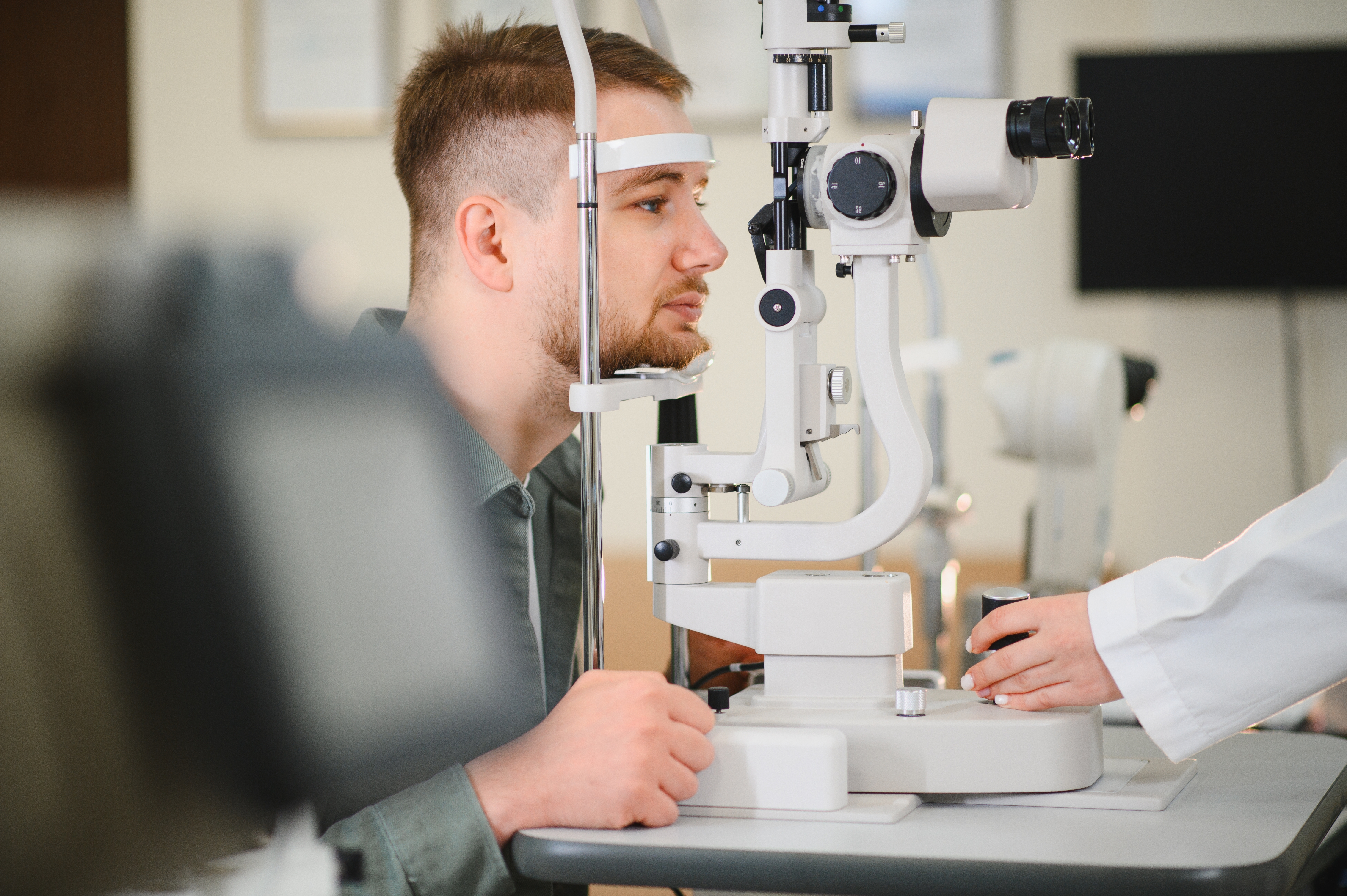
A comprehensive eye exam involves more than checking how clearly you can read an eye chart. Evaluating the retina can reveal important information about your overall eye health, but many patients associate retinal exams with dilating drops and temporary light sensitivity. At Lakeview Optometry in Monticello, we use Optomap retinal imaging to capture a wide view of the retina without dilation drops during the imaging process. This technology allows us to incorporate advanced retinal screening into your comprehensive eye exam while making the experience convenient for many patients.
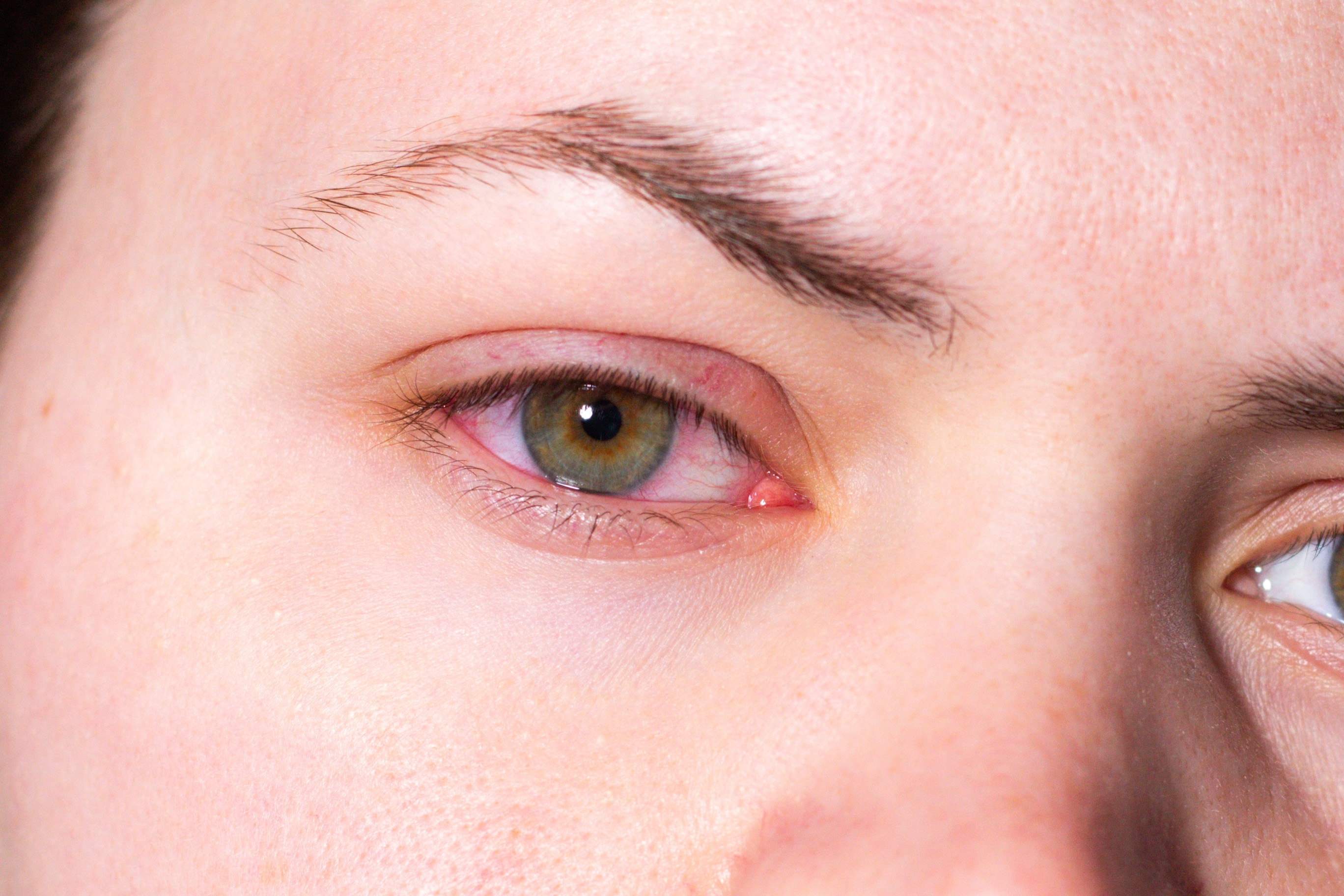
Summer brings more time outdoors, from swimming and boating to yardwork, sports, and backyard celebrations. These activities can also increase the chance of eye injuries caused by chemicals, flying debris, contaminated water, or accidental impact. Some symptoms may look minor at first, but an eye emergency can worsen quickly. Knowing when to seek emergency eye care can help protect your comfort, eye health, and vision.

Myopia, or nearsightedness, often begins in childhood and can progress as the eyes continue to grow. Children with myopia can usually see nearby objects clearly but may struggle with distance vision, such as reading signs, seeing a scoreboard, recognizing faces across a room, or staying engaged in sports and outdoor activities.
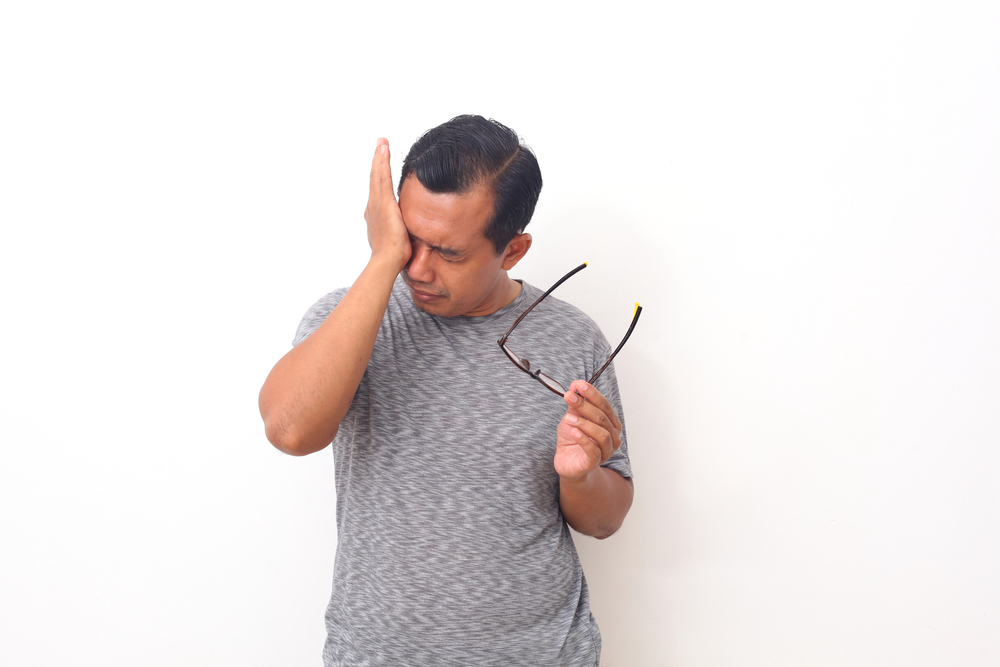
Blurry vision can happen for many reasons, from dry eyes to a change in prescription. But when blurry vision comes on suddenly, affects one eye, or is paired with other symptoms, it may be a sign of an eye emergency. At Lakeview Optometry, we want patients in Monticello to know when sudden vision changes need prompt attention.
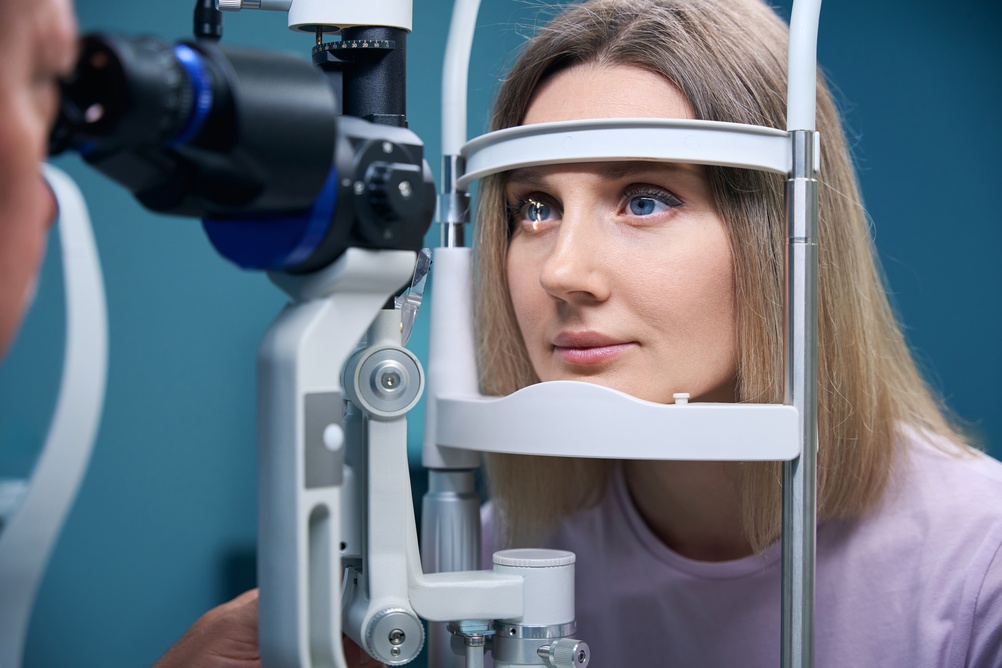
Many patients are surprised to learn that a contact lens exam is separate from a comprehensive eye exam. A routine eye exam helps us evaluate your overall eye health, check your vision, and look for signs of conditions that may affect your eyes over time. A contact lens exam goes a step further by focusing on whether contact lenses are the right fit for your eyes and your lifestyle.

Dry eye can start as a mild annoyance, but persistent symptoms often point to a problem that deserves professional attention. If your eyes frequently feel dry, gritty, watery, or tired, it may be time to schedule an evaluation. At Lakeview Optometry, we help patients in Monticello identify the cause of dry eye and find relief that fits their needs.

If you have diabetes, protecting your vision should be a key part of your health routine. One of the most common and serious complications of diabetes is diabetic retinopathy - a condition that can develop quietly and lead to permanent vision loss if not detected early. The encouraging news is that with proactive care and regular eye exams, vision loss is often preventable.
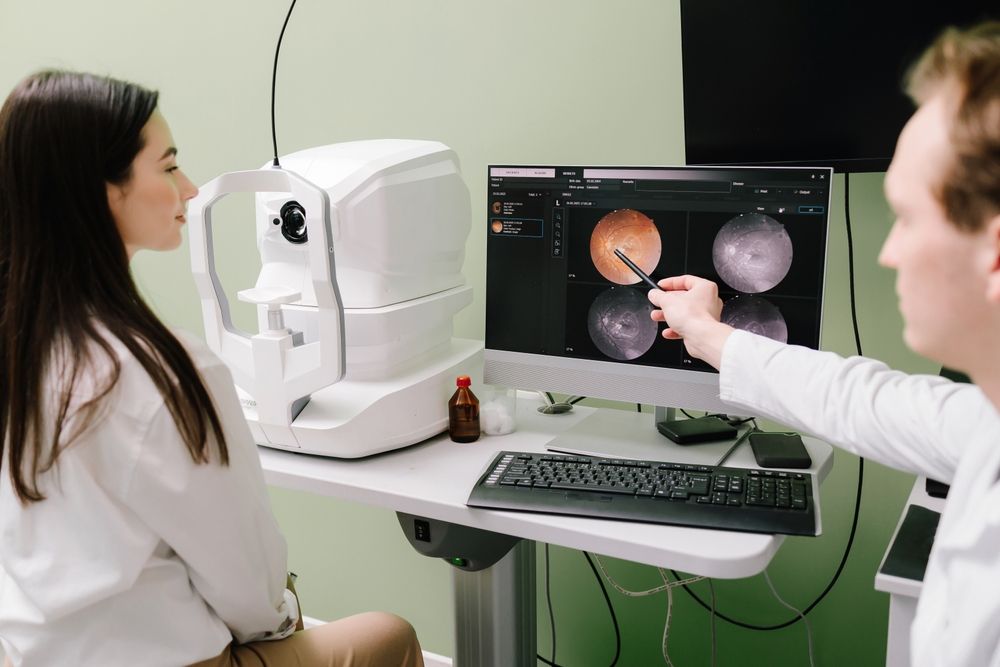
Macular degeneration is one of the leading causes of vision loss in adults over 50, and while aging plays a major role, your family history can significantly influence your risk. Understanding how genetics affect macular degeneration - and what you can do about it - can help protect your vision for years to come.


Monday - Thursday
7:30pm - 5:00pm
© 2026 Lakeview Optometry - All Rights Reserved - Accessibility Statement - Privacy Policy - Sitemap
Powered by 