
How Family History Affects Your Risk for Macular Degeneration


Macular degeneration is one of the leading causes of vision loss in adults over 50, and while aging plays a major role, your family history can significantly influence your risk. Understanding how genetics affect macular degeneration - and what you can do about it - can help protect your vision for years to come.
What Is Macular Degeneration?
Age-related macular degeneration (AMD) affects the macula, the central part of the retina responsible for sharp, detailed vision. As the macula deteriorates, everyday tasks like reading, driving, and recognizing faces can become difficult.
There are two main types of AMD:
· Dry AMD, the more common form, which progresses slowly
· Wet AMD, a less common but more aggressive form that can cause rapid vision loss
The Role of Family History
If macular degeneration runs in your family, your risk of developing the condition is higher. Research shows that individuals with a close relative - such as a parent or sibling - with AMD are several times more likely to develop it themselves.
Certain genes influence how the retina responds to inflammation, oxidative stress, and aging. When these genes are inherited, they can make the macula more vulnerable over time. However, having a family history does not mean vision loss is inevitable - it simply means being proactive is even more important.
Other Risk Factors That Work Alongside Genetics
While genetics play a strong role, they often interact with lifestyle and environmental factors, including:
· Smoking
· Poor diet
· Prolonged UV exposure
· High blood pressure or cardiovascular disease
· Obesity
· Limited physical activity
For those with a family history of AMD, these factors can accelerate the onset or progression of the disease.
How to Reduce Your Risk of Macular Degeneration
Even if macular degeneration runs in your family, there are meaningful steps you can take to lower your risk and protect your vision:
Schedule Regular Comprehensive Eye Exams
Early AMD often has no noticeable symptoms. Routine eye exams allow your optometrist to detect subtle retinal changes before vision loss occurs.
Eat a Retina-Healthy Diet
Diets rich in leafy greens, colorful fruits and vegetables, fatty fish, nuts, and whole grains provide antioxidants and nutrients that support macular health, such as lutein, zeaxanthin, omega-3s, and zinc.
Don’t Smoke
Smoking is one of the strongest modifiable risk factors for AMD. Quitting - or never starting - can dramatically reduce disease progression.
Protect Your Eyes from UV Light
Wearing sunglasses that block 100% of UV rays helps reduce cumulative retinal damage caused by sun exposure.
Manage Overall Health
Keeping blood pressure, cholesterol, and blood sugar levels under control supports healthy blood flow to the eyes and reduces retinal stress.
Ask About Supplements
For patients at higher risk, certain clinically studied eye supplements may help slow progression. Your eye doctor can recommend options tailored to your needs.
Why Early Awareness Matters
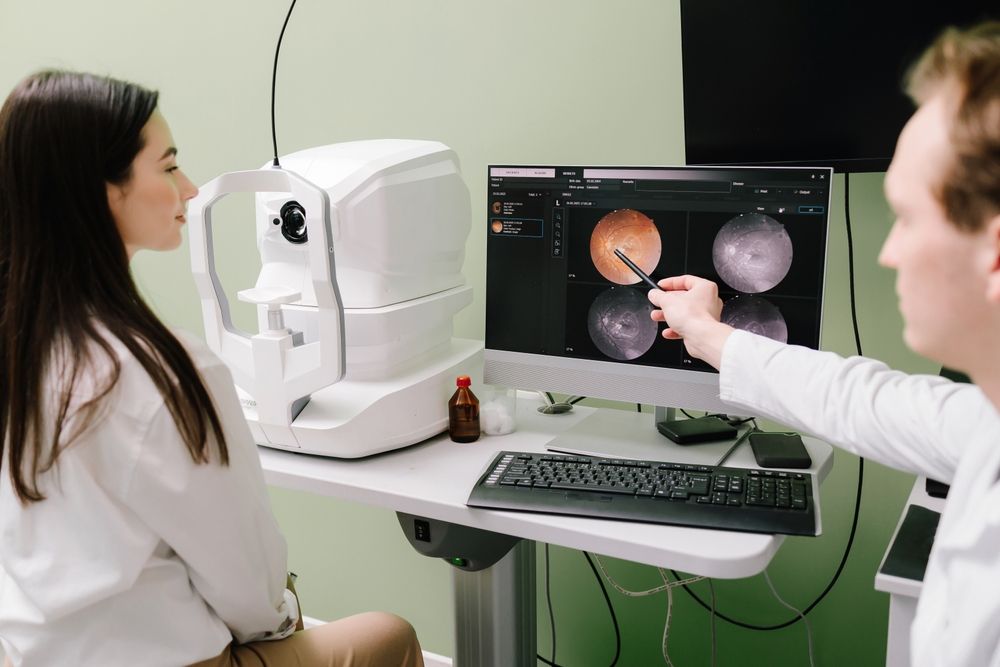
When macular degeneration is detected early, treatment options and lifestyle changes are far more effective. Patients with a known family history benefit from baseline retinal imaging and ongoing monitoring, allowing for timely intervention if changes occur.
Take Charge of Your Eye Health Today
Family history plays an important role in macular degeneration risk, but it does not define your visual future. By understanding your genetic risk and making proactive eye-healthy choices, you can significantly reduce the impact of AMD and preserve your sight. Early detection, healthy habits, and regular eye care are the strongest tools you have in protecting your vision.
If macular degeneration runs in your family, don’t wait for symptoms to appear - schedule a comprehensive eye exam at Lakeview Optometry. Visit our office in Monticello, Indiana, or call (574) 583-5531 to book an appointment today.


Monday - Thursday
7:30pm - 5:00pm
© 2026 Lakeview Optometry - All Rights Reserved - Accessibility Statement - Privacy Policy - Sitemap
Powered by 