
Can Diabetes Increase Your Risk of Cataracts?


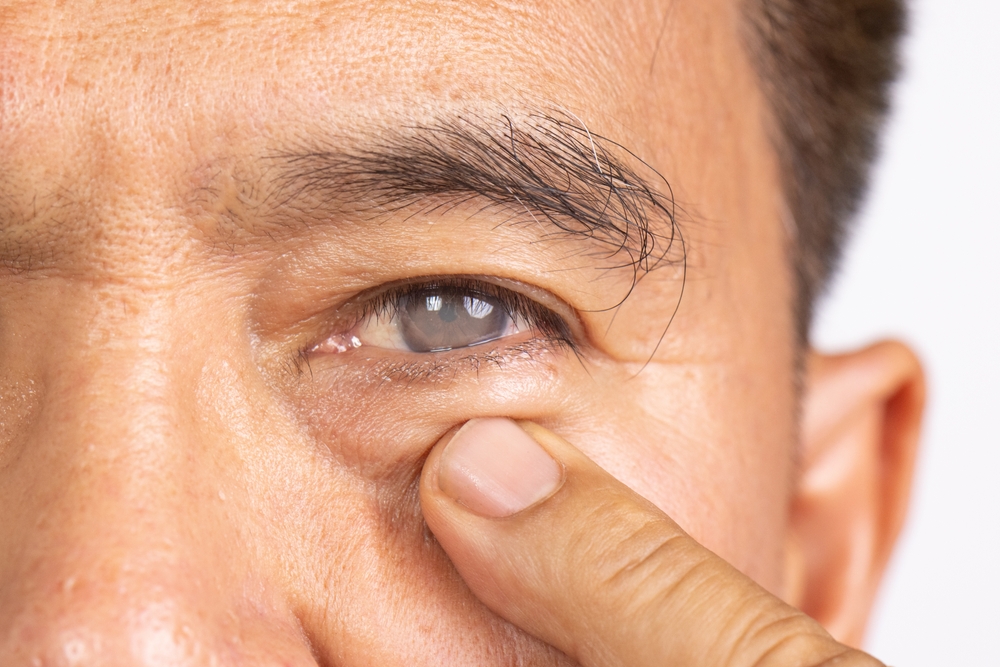
Diabetes affects many aspects of your health, including your vision. While most people are aware that diabetes can lead to conditions like diabetic retinopathy, fewer realize that it can also significantly increase the risk of developing cataracts. Understanding this connection and the role regular medical eye exams play in protecting your vision.
Understanding Cataracts
Cataracts occur when the normally clear lens of the eye becomes cloudy, leading to blurred vision, glare, difficulty seeing at night, and faded colors. Cataracts typically develop gradually and are often associated with aging, but certain health conditions, including diabetes, can cause them to form earlier and progress more quickly.
How Diabetes Affects the Eyes
When blood sugar levels are consistently elevated, excess glucose can enter the lens of the eye. This triggers a series of chemical changes that cause the lens to swell and become cloudy. Over time, these changes can accelerate cataract formation and worsen visual clarity.
People with diabetes are more likely to:
Develop cataracts at a younger age
Experience faster cataract progression
Have cataracts that more significantly impact daily vision
Both Type 1 and Type 2 diabetes can increase cataract risk, especially when blood sugar levels are poorly controlled.
Symptoms to Watch For
If you have diabetes, it is important to be aware of early cataract symptoms, which may include:
Blurry or hazy vision
Increased sensitivity to light or glare
Difficulty seeing at night
Fading or yellowing of colors
Frequent changes in eyeglass or contact lens prescriptions
Because these symptoms can develop slowly, many people may not notice changes right away - making regular eye exams even more important.
The Importance of Regular Medical Eye Exams
Routine medical eye exams play a critical role in detecting cataracts and other diabetes-related eye conditions early. During a comprehensive eye exam, your optometrist can evaluate the clarity of your lens, monitor changes over time, and identify any signs of diabetic eye disease before symptoms worsen.
Early detection allows for:
Better management of vision changes
Monitoring cataract progression
Timely referral for cataract treatment if needed
For patients with diabetes, annual eye exams - or more frequent visits if recommended - are essential for preserving vision and preventing complications.
Managing Cataract Risk With Diabetes
While cataracts cannot always be prevented, you can reduce your risk and slow progression by:
Keeping blood sugar levels well-controlled
Managing blood pressure and cholesterol
Wearing UV-protective sunglasses outdoors
Maintaining a healthy lifestyle with balanced nutrition
Staying consistent with routine eye exams
If cataracts begin to interfere with your daily activities, cataract surgery is a highly effective treatment option and can significantly improve vision.
Schedule Your Eye Exam Today
Diabetes can increase your risk of developing cataracts earlier and more rapidly than normal aging alone. The good news is that with proper blood sugar management and regular medical eye exams, cataracts can be detected early and effectively managed.
If you have diabetes or are experiencing symptoms of cataracts, contact Lakeview Optometry to schedule your next eye exam and take an important step toward protecting your sight. Visit our office in Monticello, Indiana, or call (574) 583-5531 to book an appointment today.


Monday - Thursday
7:30pm - 5:00pm
© 2026 Lakeview Optometry - All Rights Reserved - Accessibility Statement - Privacy Policy - Sitemap
Powered by 